by Sofia Esposito
The portrayal of the “other” within the historical context of Italy’s North and South divide has been a long-standing idea since the unification in 1861. The portrayal of the “other” is complex and can be rooted in historical, cultural, and socio-economic factors. The depiction of the “other” often involves the creation of stereotypes, prejudices, and negative perceptions of the South. The North is often characterized as more industrious, advanced, and culturally sophisticated. In contrast, the South is stereotypically characterized as economically disadvantaged, less developed, and “far from the ideas of progress and civilization” (G. Cassini, minister of justice). The North-South divide can be traced back to the unification of Italy in 1861, when many regions were brought together to form a single nation-state. The unification ultimately highlighted regional disparities and encouraged the dangerous depiction of the South. It is vital to recognize stereotypes and narratives through many lenses. Some of these stereotypes were influenced by what some called scientific explanations. Some important figures, such as Cesare Lombroso and Alfredo Niceforo, wrote many scientific publications that influenced the portrayal of the “other.” They sought a scientific explanation to demonstrate and quantify the differences in the southerners, attributing these disparities to specific, measurable root causes. Acknowledging these scientific practices to understand how they contributed to the existing divide is essential.
Italy’s “Southern Question“
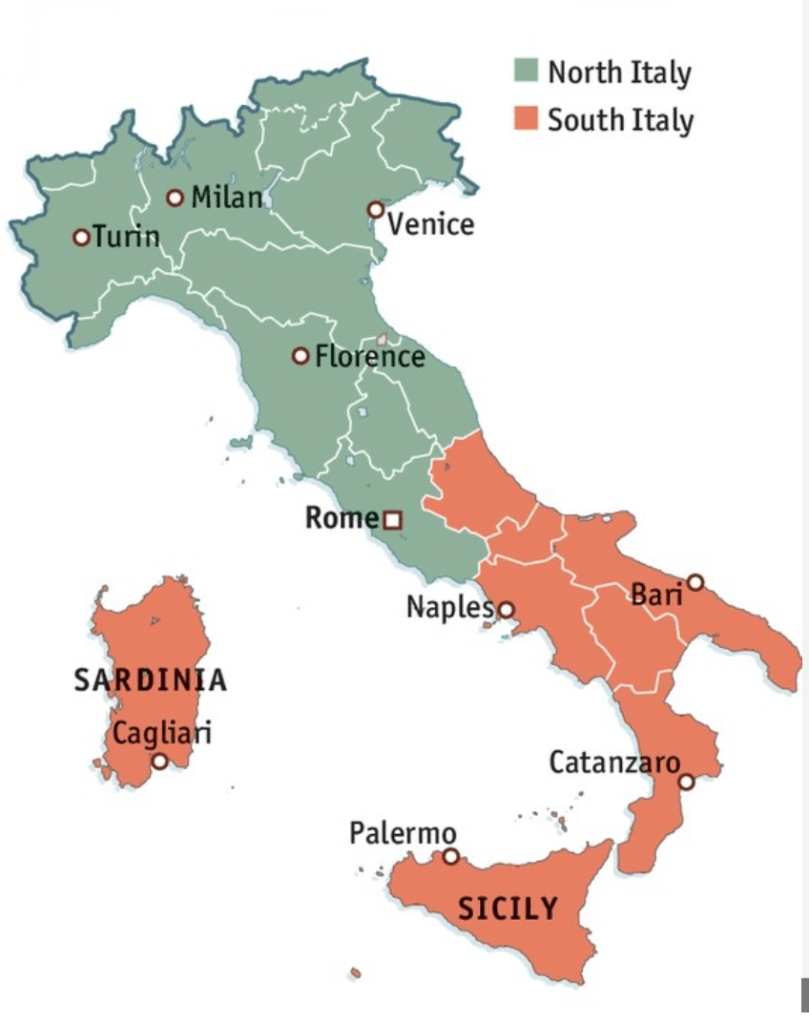
Before exploring the scientific “explanations” used to describe the North-South divide, an understanding of the “Southern Question” is necessary. Post-unification of Italy was also when the Southern Question became an issue. The Southern Question has been “broadly defined as the problem of southern political and economic ‘underdevelopment’ relative to northern Italy” (Riall 90) and often refers to “southern backwardness .”The Southern Question influenced the identity of Italians (Riall 90). The Southern backwardness was described as a more “sinister meaning of an opposition to progress, a counter-position of barbarism to civilization” (Riall 91). Southerners were seen as barbaric, primitive, illegitimate, and “entirely distinct from the North” (Riall 91). Many historians and writers attempted to explain where these ideas came from. Historian John Dickie even suggested that the South was “constructed as an Other to Italy” and that the South was “a resource for the patriotic imagery of post-unification Italy” (Riall 93). Constructing images of the South helped to build nationalism and defined boundaries for what being “Italian” was and was not (Riall 93). To answer the Southern Question, Lombroso and Niceforo used science to introduce the concept of the “other .”Lombroso and Niceforo attempted to use scientific ideas that led them to separate southerners into a different category of human beings.
Cesare Lombroso and Alfredo Niceforo
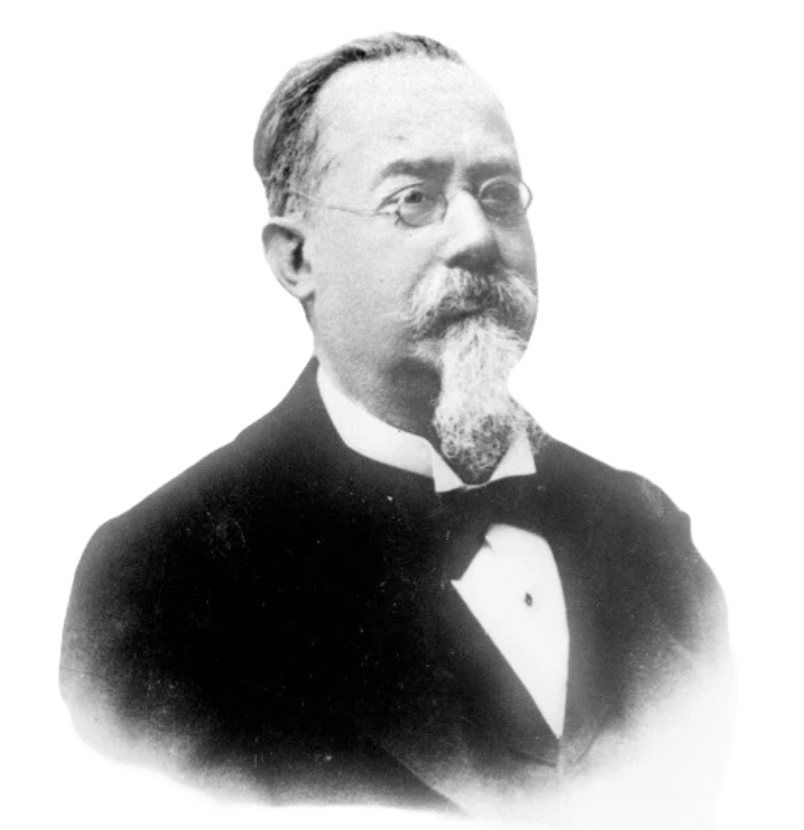
Cesare Lombroso
Cesare Lombroso is a “founding father of Italian eugenics” (Caglioti). He was an Italian criminologist and physician in the late 19th and early 20th centuries. Born in Verona, Italy, Lombroso researched and wrote on many topics, such as mental diseases, scientific ways to study corpses, and brain pathology (CriminologyWeb). He also published the book L’uomo Delinquente in 1876 and explained his take on why people commit crimes. He played a significant role in shaping scientific explanations that influenced perceptions of the North-South divide in Italy. He introduced social evolutionism to Italy in 1871 (Caglioti). Lombroso “investigated the hereditary transmission of physical and psychological traits and linked them to criminal behavior” (Caglioti). His theories contributed to the reinforcement of stereotypes and prejudices.
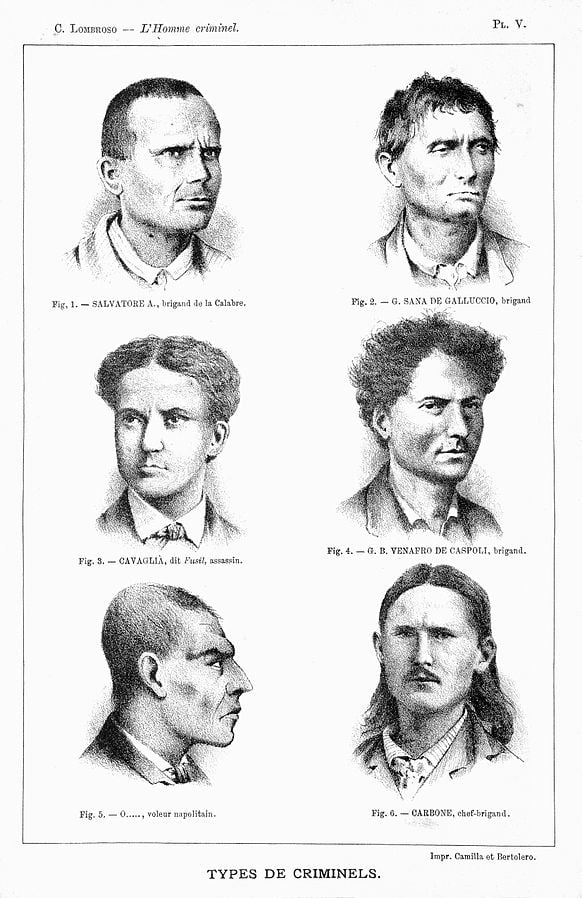
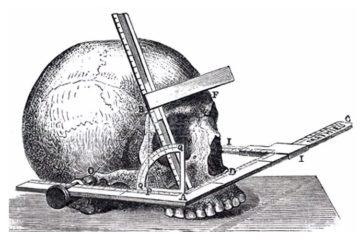
His studies and research were well known for being conducted on real bodies and documenting criminals’ bodies and physical differences, such as the size of their hands, feet, legs, heads, and more. He also argued that racial differences explained superiority and inferiority between people. Lombroso argued that the Northern Arian race was superior to the Southern Mediterranean race. Lombroso talked much about the idea of the ‘born criminal’, which was that people were born criminals, and this could be examined by looking at the size of skulls, specifically those of southern Italians. Lombroso wrote notes about this during the “fight against Southern Italian brigands in the aftermath of the unification in 1871” (Caglioti). He believed that criminality was hereditary.
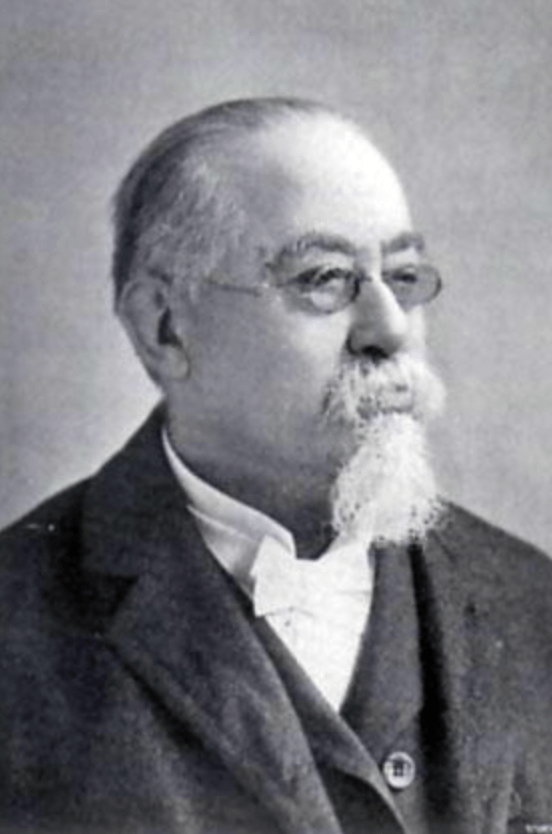
Alfredo Niceforo
Alfredo Niceforo was once a student of Lombroso and became an Italian criminologist and anthropologist who agreed and worked with Lombroso’s racist ideas about Eugenics. Niceforo’s views were aligned with the positivist school of criminology, which emphasized the scientific study of crime and criminal behavior. He looked to identify physical and psychological traits associated with criminal behavior. Both men examined physical characteristics, such as different skull shapes and sizes, to explain criminality. They also used these features to explain why the North was “disciplined and modern” and the South “individualistic and primitive” (Caglioti). Niceforo wrote an article called “Le due Italia” explaining that Italy was made of two parts. When describing the South, he said, “the south presents itself to us with a moral and social structure that recalls primitive, and perhaps even almost barbaric, times, a social structure typical of inferior civilizations, now surpassed by the fatal cycle of modern social evolution” (Le Due Italia). Niceforo also used idioms of “race and degeneration to racialize the subaltern class” (Caglioti), often arguing that differences were both “racial and environmental.” Niceforo also observed that high birth rates, an agrarian society, high illiteracy rates, and a lack of modern social life were factors that lead to the South being stuck in “social atavism”. Lombroso used this term to explain for criminal behavior.
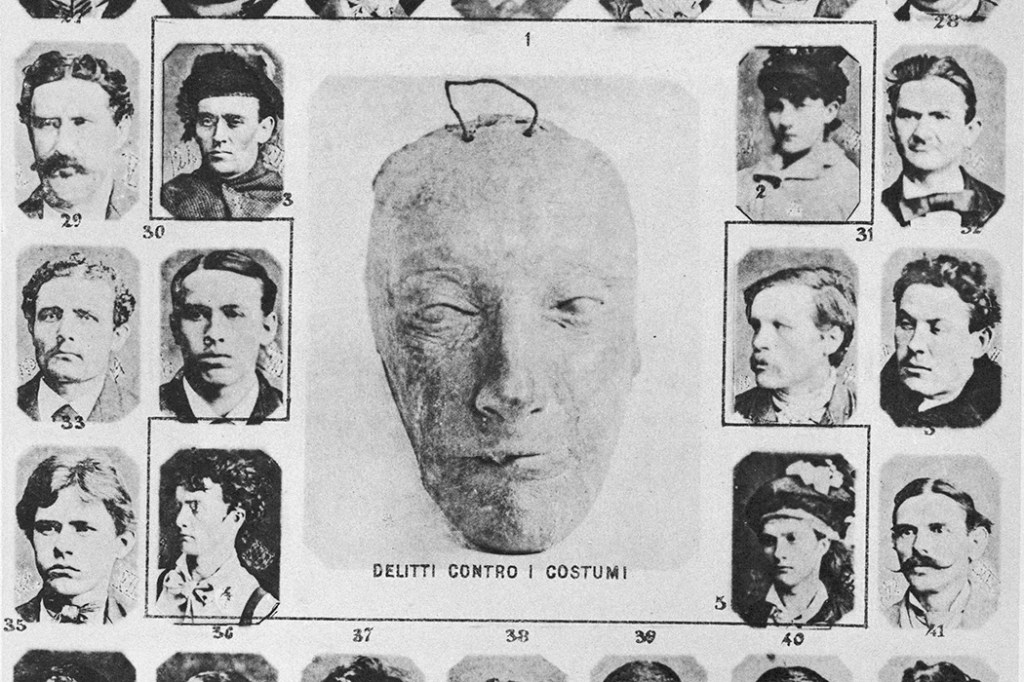
Atavistic characteristics included physical abnormalities that they pointed to an early stage of human evolution where more “primitive” humans existed (CriminologyWeb). It refers to a trait that appears over many generations and is often blamed as a cause for degeneration. Further, Niceforo and Lombroso concluded that social atavism was a reason for the entire Southern population’s “backwardness” and explained that they committed more crimes due to biological abnormalities. These ideas and explanations fueled the portrayal of the “other” and the disparities between the people of the North and South of Italy.
Conclusion
The historical portrayal of the “other” within the context of Italy’s North and South divide has deep roots stemming from the nation’s unification in 18611. Historical, cultural, and socio-economic factors shaped this portrayal. This has led to the creation of stereotypes and negative perceptions of the South. The North is often depicted as industrious and culturally advanced, whereas the South is unfairly characterized as economically disadvantaged, primitive, and less developed. This division was further perpetuated through the lens of scientific explanations from known figures of the time, such as Cesare Lombroso and Alfredo Niceforo. These men introduced the concept of the “other” by associating physical traits, genes, atavistic characteristics, and race with criminal behavior. Cesare was considered a founding father of eugenics and highly contributed to the reinforcement of stereotypes. Niceforo influenced the perceived “backwardness” of the Southerners by pointing them to biological abnormalities or differences. The Southern Question fueled the notion of the “other” and shaped the beginnings of a national identity by constructing images of the South. Although problematic, it is essential to recognize scientific practices to understand how the image of the South was fueled and how the long-lasting divide between the North and South began.
References
The ‘Born Criminal’? Lombroso and the Origins of Modern Criminology.” HistoryExtra, 14 Feb. 2019, historyextra.com/period/victorian/the-born-criminal-lombroso-and-the-origins-of-modern-criminology/.
Caglioti, A. M. (2017). Race, Statistics and Italian Eugenics: Alfredo Niceforo’s Trajectory from Lombroso to Fascism (1876–1960). European History Quarterly, 47(3), 461–489. doi.org/10.1177/0265691417707164
“Cesare Lombroso: Theory of Crime, Cirminal Man and Atavism.” YouTube, uploaded by
CriminologyWeb, 10 Dec 2019, youtube.com/watch?v=bjyDQdv6gSk.
Niceforo, A. (1901). Italians of the North and Italians of the South, “Le Due Italie”.
Riall, L. (2000) Which Road to the south? Revisionists revisit the Mezzogiorno, Journal of Modern Italian Studies, 5:1, 89-100, DOI: 10.1080/135457100362670

 Italian Culture