
Introduction
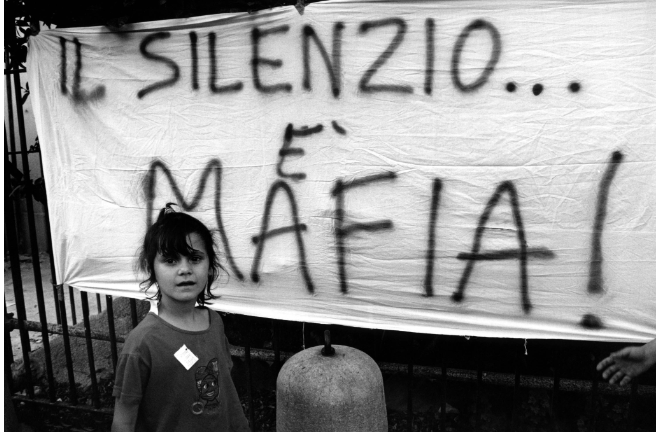
The term “Mafia”, once specific to Sicily, represents any organized criminal group and has become a global label for organized crime. In terms of the Sicilian Mafia, its success lies in its ability to be local and international, meaning while maintaining roots in Sicily, the mafia is expanding globally. Part of the reason why the Mafia has been so successful is because of its ability to hold on to old traditional activities, such as extortion, all while adjusting to the new innovation of the time(Santino, Introduction Section). Immigration to the U.S. towards the end of the 19th century contributed to the cultural adaptability of the Sicilian Mafia. With this, connections between Sicilian Mafiosos and Sicilian-Americans grew closer after World War II, specifically through drug trafficking. The Sicilian Mafia, now engaged in drug trafficking and money laundering with other countries, is able to operate worldwide. With this being said, the Sicilian Mafia is not the only criminal organization that existed in Italy or around the globe, there are many more that coexist(Santino, Introduction Section). The Mafia is able to negatively impact a city by rooting itself into the society, both literally and figuratively. It is no secret that the cognitive development of those who have lived and grown up under Mafia rule is greatly impacted. Understanding the psychological impact the Mafia can inflict on individuals is crucial for gaining insight into its effects. By understanding the psychological impacts of the Mafia, we can better understand its long term effects on individuals and society as a whole.
Youth and Family
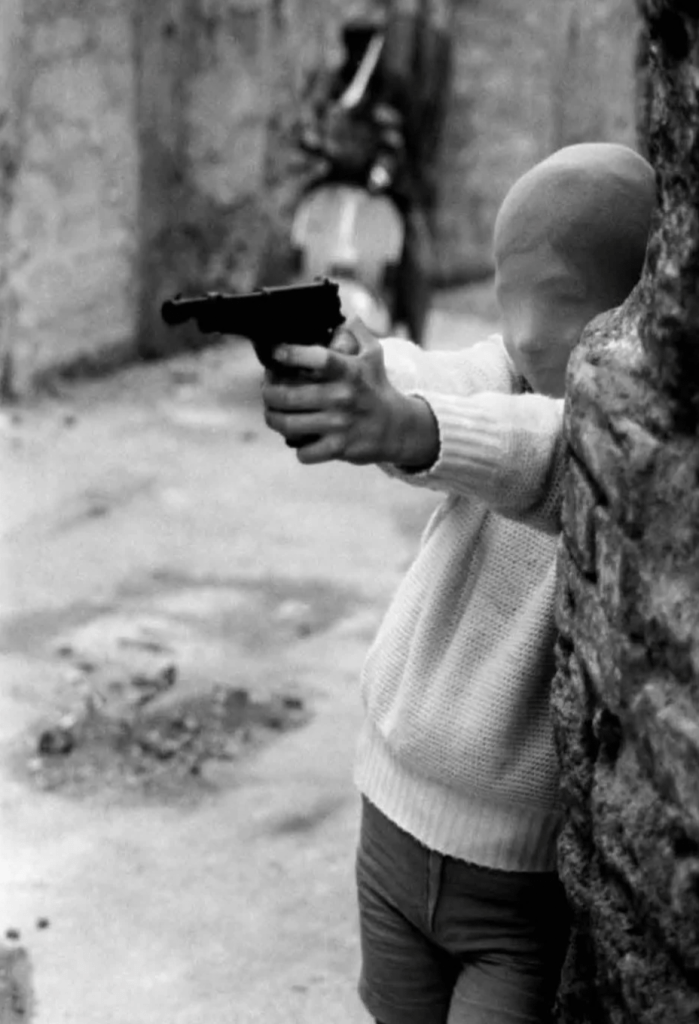
When considering the psychological effects the Mafia can have on an individual, it is crucial not to forget about those who are a part of a Mafia family. Studies have been done that specifically focus on teenagers and their development living under a Mafia family. Research has proven that these teenagers actually lose their ability to form their own identity growing up because they are forced to “adhere to a family thinking modality with respect to which disobeying is difficult…”(Di Blasi et al., Introduction Section). Those who grow up in Mafia families are not allowed the same personal cognitive development as those who do not grow up in a Mafia family. These children are forced to conform with the morals of the family and adhere to their rules and way of life. Additionally, research studies have been done that involve a psychotherapist interviewing a young child who belongs to a Mafia family. The findings showed that children who face difficulties conforming with their families rigid environment, often develop psychological and physical negative consequences. These include social withdrawal, addiction issues, eating disorders, and academic struggles(Di Blasi et al., Introduction Section). These negative symptoms serve as proof of emotional pain within these children. At this point in adolescence, children are searching for their own identity and sense of self-awareness. Overall, growing up in Mafia families negatively impacts children, sometimes causing them to develop psychological and behavioral disorders, leading them to struggle with their own identity.
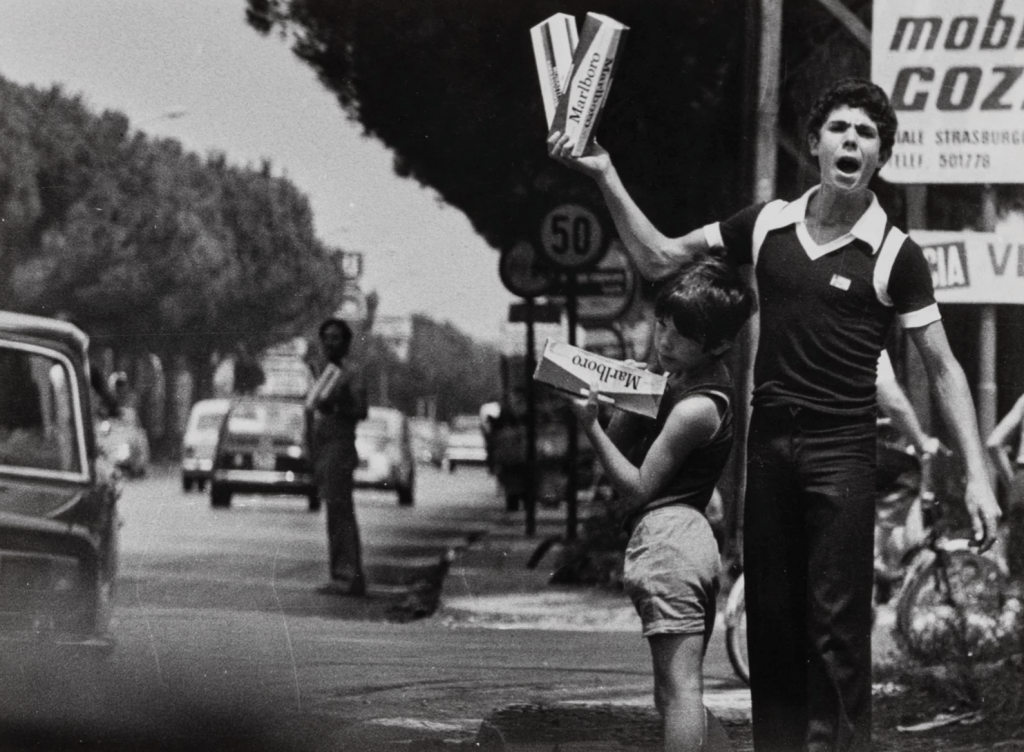
A study, proposed by a psychology student from the University of Palermo, was conducted in which a number of group meetings and interviews were held with individuals from Corleone. The purpose of the study was to raise awareness about the social unconscious effects associated with the presence of a criminal organization within the community of Corleone(Giordano et al., The Context). In the first group session, participants were asked to introduce themselves. Majority of the participants were hesitate to reveal much about their personal experiences and thoughts with the Mafia, and preferred to listen rather than speak. For example a participant named Mario said, “My name’s Mario, today I’m here as a listener, may I?”(Giordano et al.) On the other hand, younger participants demonstrated that they were more willing to express their own experience with organized crime. A younger participant named Paola said to the group, “My name’s Paola and I’m from Corleone. Going into this theme is such a great pleasure for me because I’d like to have a confirmation about the stories my parents have been telling me. I’m pleased to talk about this theme with people of my age, as well as with all the people present here”(Giordano et al.) So far, the study has showed that those who grew up when the Mafia was more prominent in a society, are more scared to speak out about their own experiences because they live in fear of what the Mafia will do to them. Participants went on to discuss the “law of silence” that exists when you live in a Mafia society. Individuals talked about how they often felt unsafe, not just because of the Mafia but for fear that the law enforcement and other citizens might be watching their every move incase they get caught doing or saying something they shouldn’t. Multiple participants reported feeling highly anxious living in this sort of environment.(Giordano et al.) In another group session, the focus was on sharing painful emotions linked to the violence of the Mafia. Many of these participants have stayed silent for many years, however, these people were able to come together and share their trauma. Trauma is a psychological disorder that is prevalent in many people who grew up with organized crime. By sharing their traumatic experiences of violence, participants were able to realize the psychological suffering the Mafia had inflected on them over the years. (Giordano et al.) Today, the Mafia is represented as a sociopsychological phenomenon. It has managed to make culture, community, family, and individuals coincide. As well as, portray the idea that “violence is the strongest form of self-achievement(Iacolino et al., Abstract Section). When studying the psychological effects of the Mafia it is important to note the socioeconomic status of said individual. The environment that people grow up in, largely plays a role in what they believe to be “normal” or morally okay. With this being said, teenagers from southern Italy are more adjusted to the criminal network. Their exposure to crime has made them more used to what it is like to live in oppression(Iacolino et al, par. 25). There are many cases, specifically in Sicily, where children are dropping out of school to join the Mafia. In some cases, struggles at school coincide to the various social, economic, and cultural factors that are present in a certain area. These circumstances are when a positive social representation of the Mafia may arise. Mafia men specifically are able to target these vulnerable children by inflicting their manpower and convincing adolescents that if they want to survive, they must exploit the “economic problems of the territory” by joining the criminal organization.
Mafia in Film and Literature
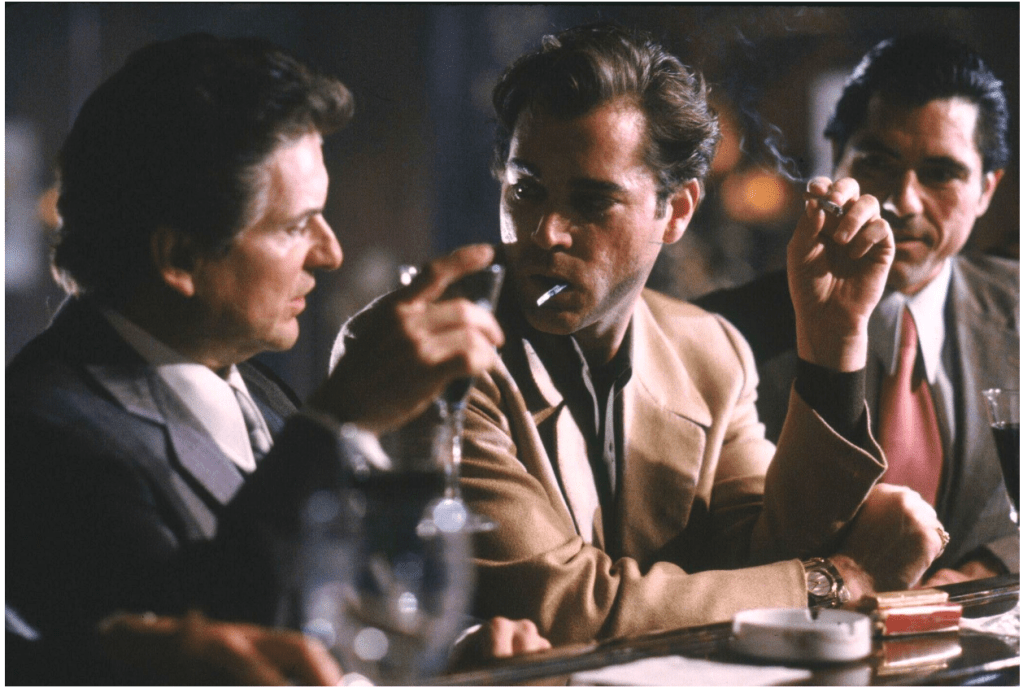
Through the use of literature and film, the arts are a way to express the psychologyical effects on those who are associated with the Mafia. Even though these forms regularly deal with fiction rather than real-life scenarios, they are able to dive into and portray the trauma, moral conflicts, and identity crises experienced by those involved in organized crime. In novels and films about the Mafia, artists use characters to show viewers the negative effects the Mafia can inflict on an individual and a society in whole. By placing these characters in a society where the Mafia has taken over, viewers are able to see what/how psychological disorders may develop in certain individuals. The Mafia revolves around the concept of family. It’s very existence relies on the protection and loyalty to the family. When the Mafia first emerged in the United States in the late 19th century, Italian-American neighborhoods were being established and expanded. They eventually influenced major cities such as New Orleans, Chicago, and St. Louis(Holzwarth, par. 1). The movie Good Fellas was adapted from the book “Wise Guy” written by Nicholas Pileggi. Pileggi conducted numerous interviews with Henry Hill for the foundation of the story. Henry Hill was only a child when he signed his life away to the Mafia. The day Hill’s children were born, their lives were subjected to a life on the run. There is no doubt that this can have a negative psychological impact on a child. Children who are born into a Mafia family do not chose the life, they are born into it. From birth these children lose a sense of identity and are forced to conform to the social norms and beliefs of their family. To a certain extent, the Mafia can portray itself as an “escape” for youths who are trying to find their way in life. In the case of Henry Hill, the boy was infatuated by the Mafia. He eventually started running errands for the criminal organization, spending more time doing this than being at school. “Hill’s attraction to the life of the mobsters grew to include the respect shown to them by others in the neighborhood, including the police”(Holzwarth, par. 4). This proves that the Mafia can portray a false reality. It can trick children into almost admiring the men involved in the Mafia, and wanting to be just like them. Similar to what happened with Henry Hill, the Mafia portrays itself as a “better alternative” to these kids, when in reality they are signing themselves up for a life full of pain.
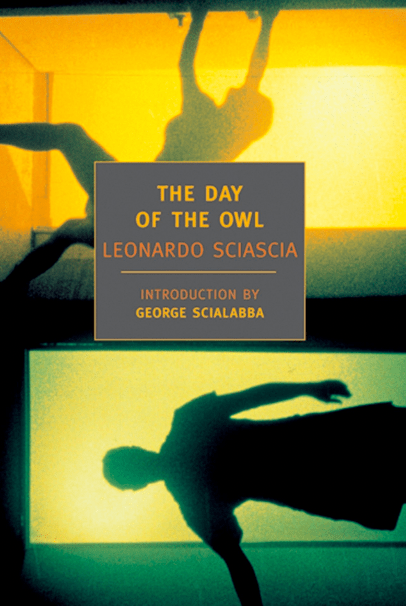
The Day of the Owl by Leonardo Sciascia is a novel that focuses on the effect the Sicilian Mafia had on a society and its people. The novel begins with a murder in the main piazza. Police and investigators come and interview people, however, no one will talk. Even the people on the bus who were right near the location of the murder, disappear(Sciascia 9-11). This murder mystery story is different from most because in fact it is not a mystery at all. From the very beginning you know who the killer is, a member of the Mafia. The main idea of the story is to portray how difficult it is to prove that the Mafia committed the crime and how difficult it is to put them in jail for it. Captain Bellodi, an investigator from northern Italy, was never able to prove the Mafia committed the murder. Sciascia chooses to tell the story from the perspective of Captain Bellodi because he did not grow up with the Mafia. The author is trying to show that if you are born in a society where the Mafia has rooted itself, these sorts of things, murders and crimes, they become normal. In addition, these people who grew up under Mafia oppression have fear rooted into their every day lives. It has been integrated into the people’s mind that there is no such thing as the law, and that the Mafia boss is the one who controls the law. These people face fear every day because, depending on how the Mafia boss is feeling, the “law” may change every day. This constant state of fear negatively impacts an individuals mental well being. These people do not know what freedom is, they have never lived a life with it. People, like the ones in this story, who live in an abusive Mafia society, do not know that there is such thing as justice, law, and freedom.
Conclusion
The Mafia is a powerful organization that thrives off of rooting itself into societies and completely taking over. There is no doubt that those who grow up oppressed by the Mafia will suffer from more psychological pain and develop more psychological disorders than those who do not. Individuals who are oppressed and live in constant fear will develop trauma which could lead to disorders such as anxiety and depression. It is important that people understand that the battle against the Mafia is not just about its criminal activities, it’s about protecting the mental and emotional health of those caught under its reign.
Works Cited
Di Blasi, Marie, et al. “Growing in Mafia Territories.” World Futures, vol. 71, no. 5-8, Nov. 2015, pp. 173–84, https://doi.org/10.1080/02604027.2015.1113772. Accessed 29 Dec. 2020.
Giordano, Cecilia, et al. “Promoting Awareness about Psychological Consequences of Living in a Community Oppressed by the Mafia: A Group-Analytic Intervention.” Frontiers in Psychology, vol. 8, Sept. 2017, https://doi.org/10.3389/fpsyg.2017.01631.
Holzwarth, Larry. “What It’s like Growing up in a Mafia Family.” History Collection, 16 Oct. 2021, historycollection.com/what-its-like-growing-up-in-a-mafia-family/.
Iacolino, Calogero, et al. “Mafia Perception in Relation to Sicilian Teenagers’ Moral Disengagement and Value Orientation the Role of Educational and Family Contexts.” World Futures, vol. 73, no. 6, Aug. 2017, pp. 396–411, https://doi.org/10.1080/02604027.2017.1357929. Accessed 16 Apr. 2022.
Santino, Umberto. “Mafia and Mafia-Type Organizations in Italy.” Centro Impastato, 2 Mar. 2015, http://www.centroimpastato.com/mafia-and-mafia-type-organizations-in-italy/.
Sciascia, Leonardo. The Day of the Owl. Granta, 2014.

 Italian Culture